


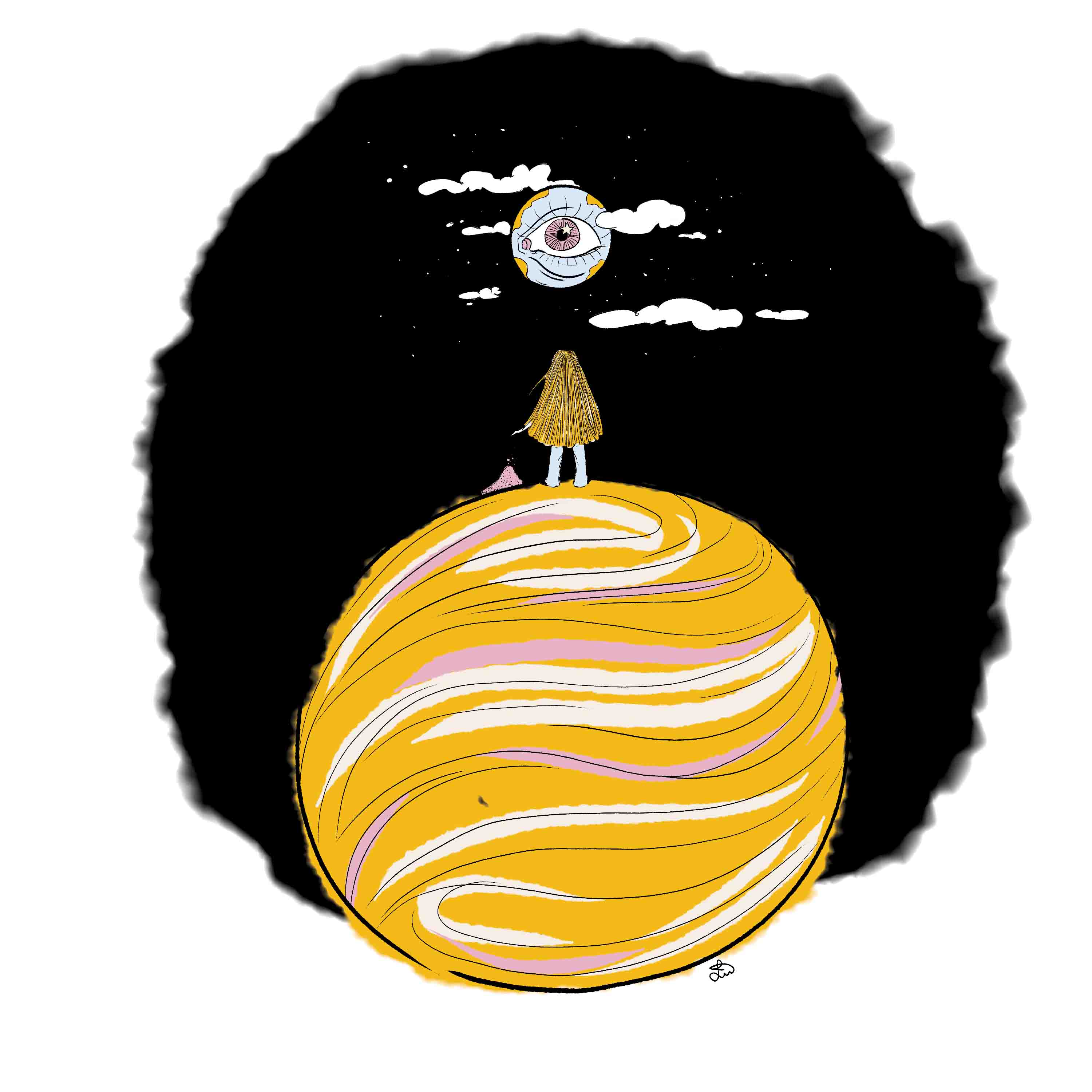
When Qays, unable to marry Layla, wandered the wilderness composing poems in her memory, he eventually became known as Majnūn—loosely, Insane One.
Hearing his poetry, the Caliph sought and married Layla, but was surprised to find an average woman. He asked her why Majnūn became insane for a woman who was quite plain.
She told him that to see her beauty, he must look at her through the eyes of Majnūn.
The story of Layla and Majnūn is one of my favourites—partly because of the tragedy of it all but also because it shows that beauty (and love and attachment and so on) are not dependent on others but just oneself.
To others, there was nothing remarkable about Layla; to Majnūn, she was akin to God.
Beauty, I think, takes commitment. It is not merely a present, but one must be in the right state of mind to receive it. Moreover, if you look at the same thing in different lights or moods or states, you will find a slightly different beauty each time.
I follow this principle throughout different aspects of my life—the average and the usual are beautiful—we just have to see it.
For example, in my group of friends, we have decided this summer will be magical.
This summer will be golden and bathed in sunshine and if it isn’t—we will make it so.
I spent many summers locked in my room, studying or reading or generally languishing. I never looked up to see the day outside my window, never traveled through my own city to become familiar with it.
Now, I can barely sit inside. My own home is a little foreign to me as I spend most of my days outside, working or taking advantage of the weather to go on walks, wander through parks and visit local sites. I spend a lot of time with my friends as I do this.
My phone gallery is filled with photos of things I find beautiful: flowers, trees, candids of people I know, cool rocks.
I have lived in Kitchener for 15 years, the longest I have lived anywhere. Yet I am largely unfamiliar with the different areas and the hidden gems. Finally, I want to know the city where I live. I know there is much beauty in it.
Beauty takes a tenacity—a stubbornness verging on insanity—to realize.
There are many reasons to be upset. The world is unfair and unjust, and people are suffering. However, I don’t think that the existence of suffering negates that of beauty. It is the existence of the inherent beauty in ourselves and others that inspires us to empathize with and fight for others.
Recognizing beauty where others do not—as Qays recognized it in Layla—is at least part of why we empathize with others that many would not. It is why some people are so dedicated to making change.
Last year, I spent several weekends helping with the construction of the sandbag house at the 100Vic encampment. Much of the work I did was filling bags with sand and then carrying them over to be included in the wall of the house. Though it was repetitive and tiring it was also the highlight of my week.
I remember those few weekends very fondly—I met local activists and some of the residents of the encampment. We sat and chatted and then we worked together. The anger, the sense of injustice, the fear—all are warranted when fighting for the 100Vic encampment. Even now, they face potential eviction.
But I believe at least part of the work the activists and residents do preserves the beauty that is inherent to all people living and experiencing the world.
Even as the world gives us many reasons to be furious, this pursuit of beauty found in what is plain and ordinary and useless is fundamental to our larger pursuits.
This optimism and hope takes becoming a little majnūn for ourselves and others.

Leave a Reply